For glaucoma treatment or other eye care services, contact our East Hanover facility in northern New Jersey.
EyeCare 20/20
46 Eagle Rock Ave.
East Hanover, NJ 07936
Phone: 1-973-560-1500
Phone: 1-800-475-5525
Fax: 973-560-0419
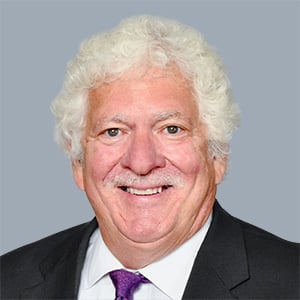
Dr. Cary Silverman is a gifted New Jersey (NJ) LASIK and cataract surgery specialist. In addition, he and he team of talented eye doctors and staff members offer a range of general eye care services including treatment for glaucoma and retinal disease. They also provide eye care for young children, known as pediatric ophthalmology, and have an excellent low vision clinic to help those who have substantial vision loss. Comprehensive eye examinations are also available. Please visit our testimonials page to learn more about how EyeCare20/20 has helped many eye care patients from East Hanover, Parsippany and throughout North Jersey (NJ).
Glaucoma is a group of eye diseases involving progressive damage to the optic nerve accompanied by a build up of pressure inside the eye. There is no cure for glaucoma, only treatment and management of symptoms at our northern New Jersey eye care center. If left untreated, glaucoma can result in significant vision loss and even blindness.
Intraocular pressure is maintained by a balance of fluids inside the eye. The first, called the vitreous, fills the vitreous cavity at the rear of the eye. The second fluid, the aqueous humor, fills the forward chamber at the front of the eye.
As it is continually produced and circulated throughout the forward chamber, the aqueous humor both nourishes the lens and cornea and removes debris as it drains. When healthy, the eye will produce aqueous humor at the same rate that the fluid is drained.
Aqueous humor drains from the eye through a system found at the angle formed where the iris and cornea come together. The aqueous humor is filtered through tissue called the trabecular meshwork and passes into the Schlemm's canal where it eventually enters the bloodstream. If drainage is impeded anywhere along this system, then the aqueous humor is unable to recycle normally and pressure begins to build up in the eye. It is the gradual build up of this pressure that coincides with the progressive optic nerve damage associated with the onset of glaucoma.
There are several types of glaucoma, and physicians do not entirely understand all of the underlying causes. Glaucoma is typically associated with increased eye pressure, usually brought on by poor function of the eyes' natural drainage and filter system. However, even an increase in pressure build up is not always indicative of the presence of a potential problem. People with normal to low eye pressure have experienced vision loss while others with above normal to extreme pressure levels have not sustained any apparent damage to their optic nerves.
Also called chronic open-angle glaucoma, this type is the most commonly occurring form of the disease. The angle formed by the joining of the iris and cornea remains open, but the aqueous humor drains too slowly. This causes fluid to back up and intraocular pressure to increase. The gradual and painless damage to the optic nerve can result in significant vision loss even before the appearance of recognizable symptoms.
This type of glaucoma, also called closed-angle glaucoma, is less common but substantially more serious. It has the potential to cause vision loss within a day of its onset. Angle-closure glaucoma occurs when the drainage angle closes or is blocked. Many people who experience this type of glaucoma have a narrow drainage angle. This may be a birth abnormality or the result of aging.
As the angle narrows, the iris nears the trabecular meshwork. If the iris comes too close, the narrow angle prevents the aqueous humor from efficiently draining through the trabecular meshwork. Fluid begins to build up and intraocular pressure increases.
This type of glaucoma can be chronic and progress gradually, or acute and appear suddenly. Pupil dilation can cause the angle to close and produce an acute increase in pressure requiring immediate medical attention.

Open-angle and angle-closure glaucoma may be considered primary or secondary conditions. When the initial cause is unknown, the onset of glaucoma is referred to as the primary condition. However, when the condition can be tied to a known cause, such as injury or disease, glaucoma is considered to be the secondary condition.


The causes of secondary glaucoma may include various illnesses, medications, injuries, and even eye abnormalities or deformities.
Low-tension glaucoma occurs when the optic nerve is damaged despite intraocular pressure remaining within the normal range. The condition is not entirely understood and is a common form of the disease. Some physicians believe that people with this type of glaucoma may possess an acutely sensitive optic nerve or experience reduced blood flow to the optic nerve caused by hardening of the arteries due to the build up of fat deposits.
Currently, there is no cure for glaucoma, and the damage the disease causes cannot be reversed. With treatment, glaucoma can be controlled to slow or prevent further damage. In addition to various eye drops and medications, laser and/or conventional surgery techniques offer other glaucoma treatment options available at our northern New Jersey practice. One successful type of surgery utilized by our physicians, is Selective Laser Trabeculoplasty (SLT).
This new surgery is quite effective in treating the more common primary open-angle glaucoma. The procedure uses short, ultra-low frequency pulses of laser light focused on pigmented cells in the trabecular meshwork to restore proper drainage and relieve intraocular pressure. The surgery is performed as an outpatient procedure and takes approximately 15 minutes to complete.
Endoscopic cyclohotocoagulation is a recent development in the treatment of various types of glaucoma. In this procedure, the ciliary body, that portion of the eye responsible for producing fluid, is targeted with a precision laser. The energy generated by the laser effectively reduces fluid production. As the volume of fluid decreases, so does the intraocular pressure and the complications it can create.


To learn more about conventional eye care services and glaucoma treatment, contact EyeCare 20/20 in East Hanover, serving all of northern New Jersey and the greater New York metropolitan areas.
The eye care professionals at EyeCare 20/20 in East Hanover are experienced in the treatment of retinal diseases. Retinal diseases affect the tissue layer at the back of the eye responsible for vision. Symptoms of retinal disease range from floating specks within the field of vision to blurred or lost vision. Some of the more common types of retinal disease include:
As fluid leaks through a tear beneath the retina, the retina is lifted from the underlying tissue layer. Retinal detachments affect vision where the retina has begun to separate from this tissue layer and can lead to serious and irreversible vision loss.
High blood sugar levels can affect the blood vessels responsible for nourishing the retina. Damaged vessels can leak fluid into the retina, causing swelling that can blur vision. In later and more serious stages of the disease, new blood vessels can grow on the surface of the retina and bleed into the vitreous, clouding or obscuring vision. These new vessels can also tug on the retina, causing it to detach.
The macula is the retinal tissue responsible for central vision. In persons of advanced age, the macula can deteriorate, causing a blur, distortion, or blind spot in the central vision.
The advanced form of age-related macular degeneration, also known as wet AMD, can result in more serious vision loss, as irregular blood vessels begin to grow underneath the retina and leak blood and other fluids into the retina. While treating wet AMD with lasers can be effective in some instances, drug therapy is also an option.
Avastin®, an injectable drug that has been approved by the U.S. Food and Drug Administration for the treatment of certain cancers, is being used increasingly as an off-label therapy for wet AMD with a fair amount of success. To learn more about the use of this drug for treating advanced age-related macular degeneration, contact EyeCare 20/20.
Low-vision eye care is also available at EyeCare 20/20 in East Hanover. Because vision operates on a continuum, Dr. Silverman and his associates provide a range of eye care services to correct vision impairments that exist along that continuum and affect a variety of individuals.
Individuals with low vision suffer from reduced visual acuity and/or an obstructed field of vision, but will still have some usable vision. At EyeCare 20/20, low-vision devices are available that can improve the quality of vision for individuals with this condition. After a thorough evaluation, a low-vision specialist can determine what devices will provide the greatest improvement to the patient's vision.
Some of the optical devices used to assist individuals with low vision include:
There are also non-optical devices that assist individuals with low vision in their day-to-day functioning. Some of these include:
Some eye care services available to low-vision patients at our East Hanover practice include:
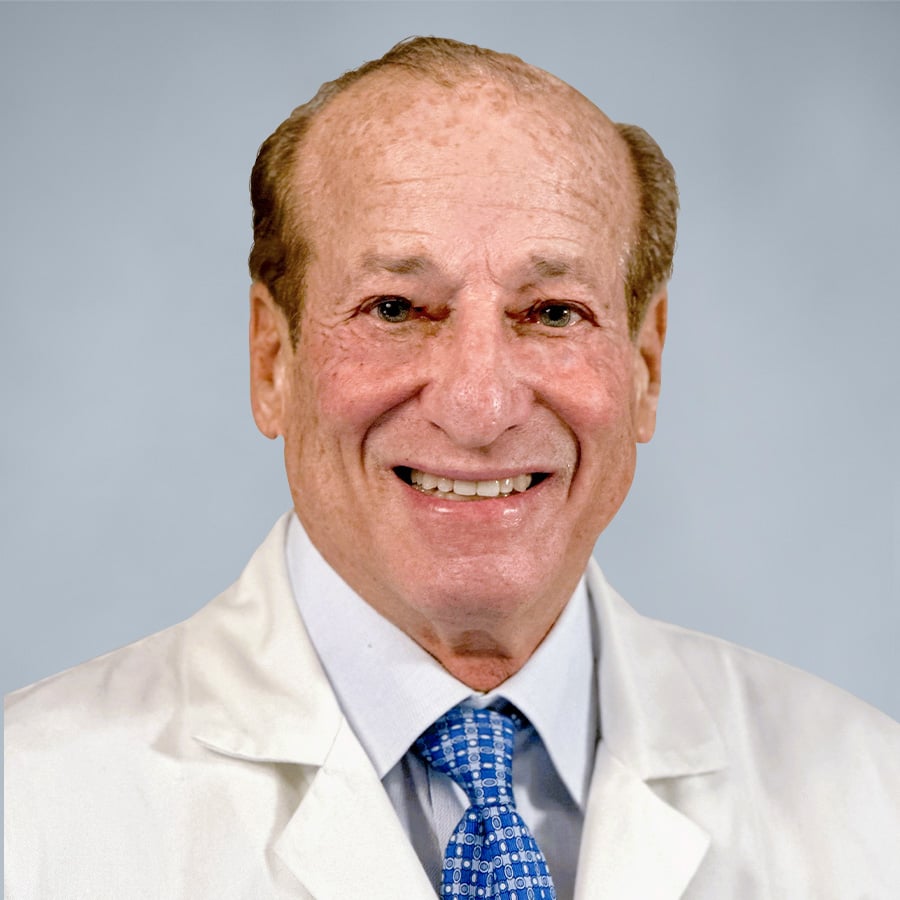
Often, one of the early indicators that a child is having vision problems is poor performance in school. Lauren C. Rispoli, M.D., the pediatric eye care professional at our East Hanover practice, performs comprehensive examinations that can reveal potential vision problems at their earliest stages. In many cases, early diagnosis and treatment of these problems can prevent serious vision impairment from occurring later on.
At EyeCare 20/20, our ophthalmologists perform comprehensive eye exams that can determine the presence of various eye conditions (such nearsightedness and farsightedness), or eye diseases (such as glaucoma). Regular examinations are important because, in many cases, the onset of vision problems is not always accompanied by tell-tale symptoms. Symptoms may not appear until the problem has done irreversible damage. With eye care, as with many other medical disciplines, prevention is often the key to lasting health. The eye care professionals at our East Hanover practice can help ensure that patients enjoy the benefits that lasting vision provides.
In our convenient optical shop, patients can choose from a wide selection of attractive, quality eyeglass frames, or they can elect to be examined and fitted for a variety of contact lenses.
To schedule a free examination or for more information on glaucoma treatment and other eye care services offered at our East Hanover practice in northern New Jersey, contact EyeCare 20/20 today.